Fredericton sits on the Saint John River floodplain, with an elevation of around 20 meters. This setting means much of the city is built on glacial till, alluvial sands, and clay layers. Understanding how these soils behave under load requires precise data. That is where geotechnical instrumentation comes in. We design and install monitoring systems that track real-time changes in pore pressure, settlement, and lateral movement. These systems provide the data engineers need to make informed decisions during and after construction. For projects on river-facing lots, we often combine instrumentation with a drainage geotechnical study to manage groundwater effectively.
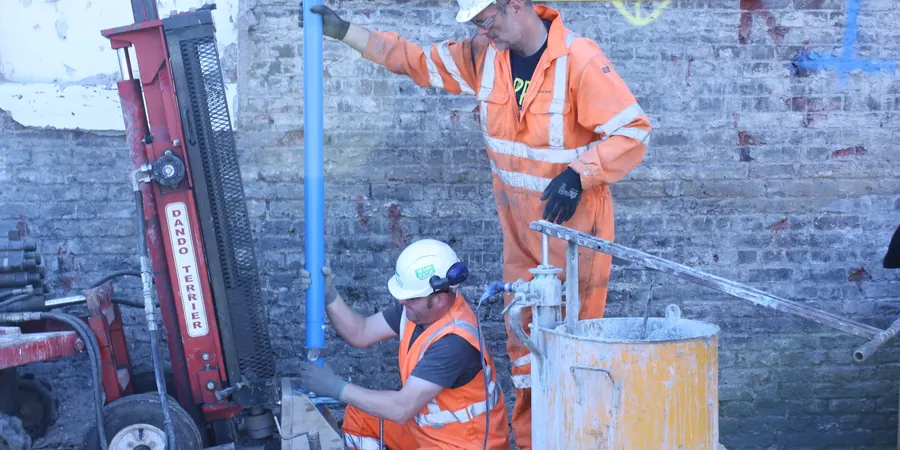
Real-time monitoring of pore pressure and settlement provides the early warning needed to prevent structural damage in Fredericton's floodplain soils.
Technical details of the service in Fredericton
Typical technical challenges in Fredericton
The difference between building in Fredericton's downtown versus the Killarney Lake area is stark. Downtown soils are soft alluvial deposits prone to consolidation settlement. Up on the till, you deal with boulders and variable density. Neither is forgiving. Without proper instrumentation, you risk differential settlement that cracks foundations or shears utility lines. Slope failures along the riverbanks can also develop slowly, masked by vegetation. Our monitoring catches these movements. We set threshold alarms so the team gets notified the moment a reading exceeds safe limits. This is especially critical during seasonal freeze-thaw cycles that affect soil strength.
Our services
We offer a complete range of geotechnical instrumentation services in Fredericton, from design to installation and long-term data management.
Design of Monitoring Arrays
We plan the sensor layout, data acquisition system, and telemetry based on project risk and soil conditions. Each design targets the specific failure mode to monitor.
Sensor Installation & Calibration
Our crews install piezometers, inclinometers, extensometers, and load cells. All sensors are calibrated in-house to NIST-traceable standards before deployment.
Data Acquisition & Reporting
Automated loggers collect readings at intervals from 1 minute to 24 hours. We provide secure web access and weekly reports with trend analysis and alarm summaries.
Frequently asked questions
What does geotechnical instrumentation cost in Fredericton?
A typical instrumentation package for a mid-size commercial site runs between CA$3,020 and CA$5,720. This covers design, sensor supply, installation, and three months of data collection. Larger arrays or long-term monitoring increase the range.
How long does the installation take?
Most installations take 2 to 4 days on site. Piezometers and inclinometers need drilling time. Settlement plates go in faster. We schedule around your construction timeline.
Do I need instrumentation for a small residential project?
Not always. But if your lot is near the Saint John River or has soft clay layers, monitoring during excavation prevents surprises. A simple settlement plate and two piezometers give early warning.
Can I access the data remotely?
Yes. All our systems include cellular telemetry. You log in to a secure dashboard from any device. Alerts come by email or SMS. No need to visit site just to check readings.